
1. Rough Boy
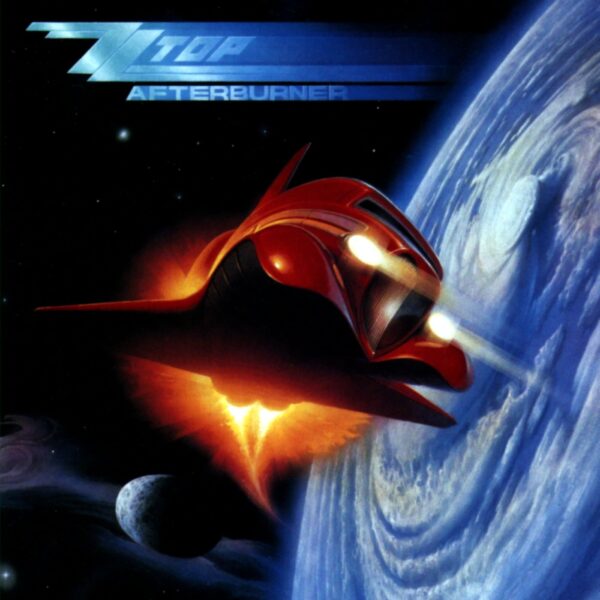
“Rough Boy,” from ZZ Top’s 1985 album “Afterburner“, stands out as a power ballad in a discography dominated by blues and hard rock. The song showcases the band’s softer side, blending atmospheric synthesizers with Billy Gibbons’ smooth, melodic guitar work. Unlike their usual raw and gritty sound, “Rough Boy” reveals a more introspective and emotional depth. Lyrically, it tells the story of a tough character with a soft heart, a theme that resonates with the band’s bluesy, everyman charm but is wrapped in the synth-heavy production that defined the *Afterburner* era.
Gibbons has remarked that the song’s tone was a deliberate departure from their usual up-tempo rockers. The shift allowed the band to explore new sonic textures while maintaining the raw emotion they were known for. This stylistic expansion was part of ZZ Top’s broader push to remain relevant in the 1980s, integrating synthesizers into their sound without losing their core identity. The song’s melodic structure and soulful delivery have made it a lasting favorite among fans and a key track on one of the band’s most commercially successful albums.
2. Got Me Under Pressure
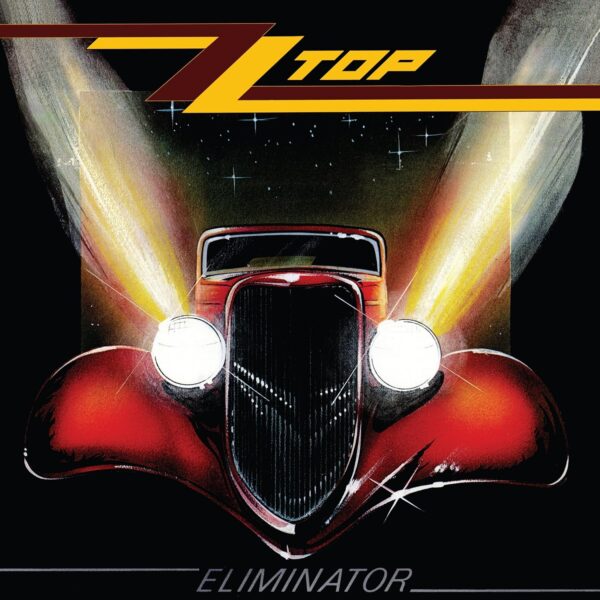
“Got Me Under Pressure,” from ZZ Top’s iconic Eliminator album (1983), is a high-octane rocker that perfectly blends blues, hard rock, and the band’s new affinity for synthesizers. The song paints a picture of romantic obsession, with Billy Gibbons singing about a femme fatale who demands attention and drives the narrator into a state of frenzied devotion. Known for its driving rhythm and electric guitar riffs, this track captures the band’s shift toward a more polished, radio-friendly sound while still holding onto their gritty Texas blues roots.
Billy Gibbons himself has noted that songs like “Got Me Under Pressure” capture the playful, fast-paced lifestyle the band was channeling at the time. Gibbons’ characteristically raw guitar tone combined with Dusty Hill’s rhythmic bass lines gives the song an energetic pulse. The track contributed to Eliminator’s massive success, which propelled ZZ Top into the mainstream and became one of their signature work.
3. I’m Bad, I’m Nationwide
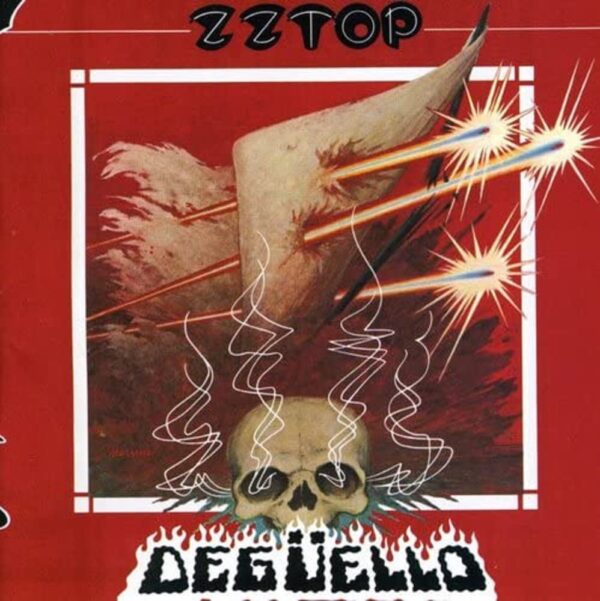
“I’m Bad, I’m Nationwide” from ZZ Top’s Degüello (1979) is a swaggering anthem that captures the band’s love of cars, blues, and larger-than-life characters. Billy Gibbons has shared that the song was partly inspired by Texas bluesman Joey Long, known for his Cadillac obsession despite lacking a driver’s license. This slice of Texas bravado shines through in the lyrics, which celebrate a road warrior cruising in style, exuding confidence and freedom.
Gibbons’ gritty guitar work and smooth vocals, combined with Dusty Hill’s deep bass grooves, make this track a standout. The band, known for mixing humor with their blues roots, delivers a song that feels like a ride through the highways of self-assurance, with the narrator embracing his “bad” reputation across the nation. It’s a perfect example of ZZ Top’s ability to fuse storytelling with their signature rock and blues sound, helping cement Degüello as a pivotal album in their catalog.
4. La Grange
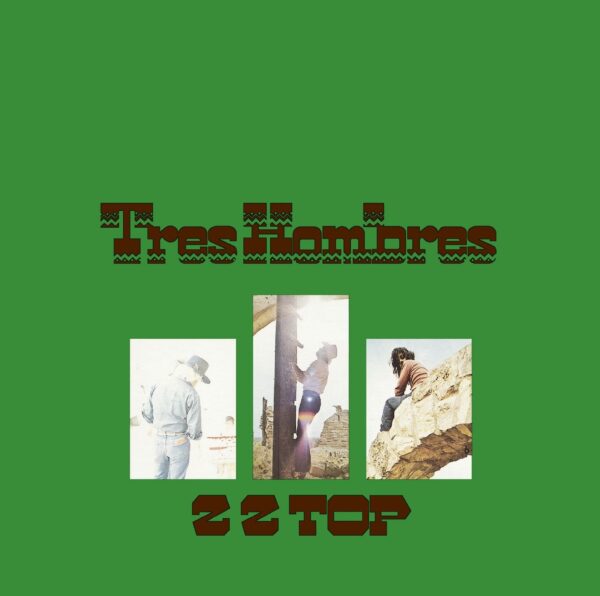
“La Grange,” released in 1973 on ZZ Top’s *Tres Hombres* album, is one of the band’s most iconic tracks, built around a riff that pays homage to blues legends like John Lee Hooker. The song is a raw, energetic celebration of the famous Texas brothel, the Chicken Ranch, located in La Grange, Texas. With its infectious boogie rhythm, Billy Gibbons’ gritty guitar tone, and Dusty Hill’s deep bass grooves, the track became a defining moment for the band and a staple in their live performances.
Gibbons has often cited his love for the blues and acknowledged that “La Grange” was heavily inspired by the rhythm of Hooker’s “Boogie Chillen.” The song’s gritty, bare-bones feel was intentional, capturing the essence of Texas blues while delivering it with a hard rock edge. In interviews, Gibbons has reminisced about how the band was deeply embedded in the Texas scene, and how songs like “La Grange” were reflections of their surroundings and experiences.
The song’s minimalist lyrics and the famous riff have made it a rock anthem, still beloved by fans decades later. “La Grange” remains a testament to ZZ Top’s ability to fuse Texas blues with rock, creating a timeless sound that catapulted them to international fame.
5. Sharp Dressed Man
“Sharp Dressed Man,” from ZZ Top’s 1983 album *Eliminator*, is a sleek, high-energy anthem that celebrates style and confidence. Driven by Billy Gibbons’ powerful guitar riff and Dusty Hill’s steady bassline, the song’s infectious rhythm made it one of the band’s most enduring hits. Its lyrics revolve around the irresistible appeal of a man dressed to impress, blending humor with a cool, swaggering attitude that became a hallmark of ZZ Top’s image during the MTV era.
Billy Gibbons has noted in interviews that “Sharp Dressed Man” was part of a deliberate effort to fuse their Texas blues roots with a more modern, polished sound. This fusion, complete with the band’s use of synthesizers, helped ZZ Top evolve their image and sound, bringing them widespread popularity in the 1980s. The song’s success was boosted by its iconic music video, featuring the band’s signature beards and hot rods, which became staples of their persona.
“Sharp Dressed Man” remains a classic, known for its unforgettable riff and its embodiment of the cool, effortless style that ZZ Top perfected during this period. Its legacy continues as a fan favorite and a mainstay in their live performances.
6. I Gotsta Get Paid
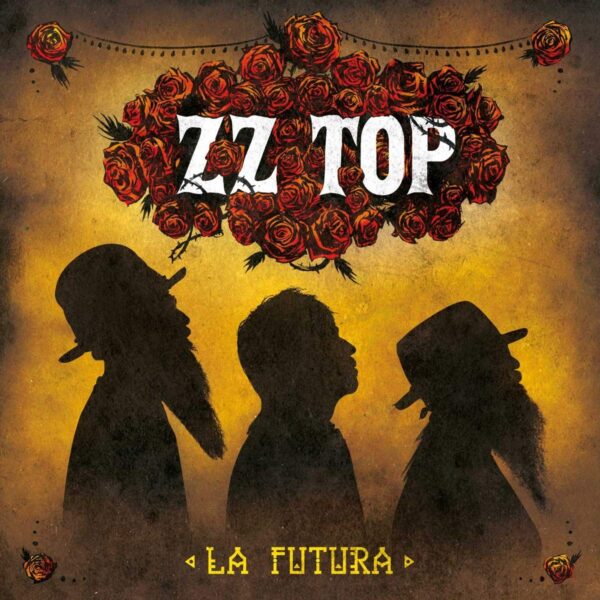
“I Gotsta Get Paid,” from ZZ Top’s 2012 album *La Futura*, is a modern reworking of the 1990s underground rap hit “25 Lighters” by DJ DMD. ZZ Top transformed the song into a blues-rock anthem with their signature Texas grit, blending heavy guitar riffs and the band’s classic boogie rhythm with a fresh, contemporary edge. Billy Gibbons’ raspy vocals lead the charge as the song captures themes of hustling and ambition, staying true to both the original track’s spirit and ZZ Top’s long-standing ethos of hard work and swagger.
In interviews, Billy Gibbons has spoken about the decision to cover this track, explaining how they connected with the song’s raw energy and saw it as an opportunity to pay homage to the Houston rap scene while putting their own bluesy spin on it. The fusion of hip-hop roots and ZZ Top’s rock sound gave “I Gotsta Get Paid” a unique flavor, bridging generational gaps and genres. This track stands as a testament to ZZ Top’s ability to evolve and stay relevant over the decades, while still honoring their deep roots in Texas music culture.
The song became a fan favorite and was prominently featured in the film *Deadpool* and a series of Ford commercials, further solidifying its place in pop culture.
7. Gimme All Your Lovin’
“Gimme All Your Lovin’,” from ZZ Top’s 1983 album *Eliminator*, is one of the band’s most enduring hits, blending their classic blues-rock style with the emerging sounds of 80s pop and synthesizers. Driven by a punchy, infectious guitar riff and Billy Gibbons’ gravelly vocals, the song became an instant favorite. Its upbeat tempo and catchy chorus made it a natural fit for radio play and helped ZZ Top break into the mainstream during the MTV era, where the song’s iconic music video also gained significant attention.
Billy Gibbons has mentioned that the goal of “Gimme All Your Lovin’” was to capture a sense of urgency and excitement, and the song’s driving beat reflects that intention. Along with tracks like “Sharp Dressed Man” and “Legs,” it played a key role in *Eliminator*’s commercial success, bringing a fresh, modern sound to the band’s blues-rock roots. The music video, featuring hot rods, beautiful women, and ZZ Top’s signature cool, further boosted the song’s popularity, making it a defining track of the early 80s rock scene
The song remains a staple in ZZ Top’s live performances, continuing to showcase their ability to merge raw rock energy with polished production. It helped solidify their place as rock icons and influenced a generation of musicians with its blend of traditional blues riffs and contemporary elements.
8. Tush
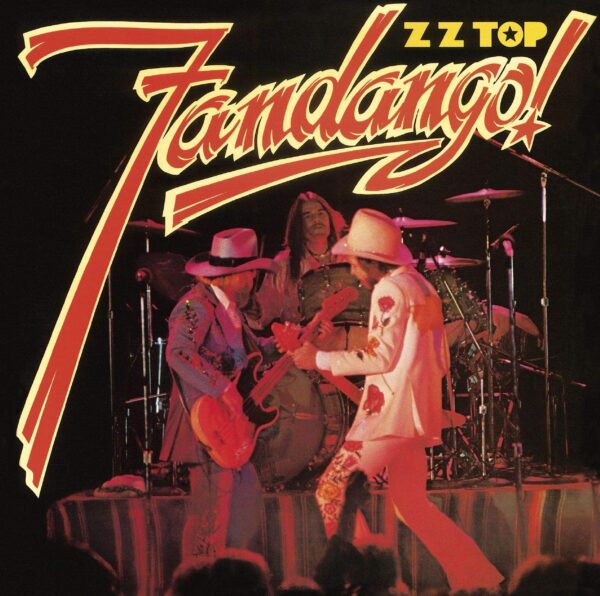
“Tush,” one of ZZ Top’s most iconic tracks, was born out of an impromptu jam session during a soundcheck in Alabama, as Billy Gibbons recounts in a 2024 post on his official website. The band had been fooling around with a riff, and before they knew it, they had created what would become a timeless rock anthem. Released in 1975 on the *Fandango!* album, “Tush” showcases ZZ Top’s signature blend of Texas blues and hard-hitting rock, with Gibbons and Dusty Hill sharing vocal duties.
The song’s straightforward, bluesy groove and playful lyrics about chasing fun and adventure have made it a fan favorite. Gibbons has noted that the word “tush” was Texas slang at the time, referring to something fine or desirable, adding a cheeky twist to the track. Despite its brief runtime, “Tush” packs a punch, with a powerful riff that captures the essence of the band’s raw, unfiltered sound. It quickly became a staple in their live shows and remains a defining track in their catalog.
9. Cheap Sunglasses
“Cheap Sunglasses,” a track from ZZ Top’s 1979 album *Degüello*, is a funky, blues-rock anthem that perfectly captures the band’s signature mix of laid-back cool and Texas grit. Billy Gibbons has shared that the song came about somewhat by accident in the studio. He was playing a Japanese Stratocaster copy that had a detuned high E string, which led to the distinctive riff. Gibbons noted that this unexpected detuning and some mysterious technical issues with the recording gave the song its unique sound, with a fuzzy, honky midrange tone that became one of its defining features. The track’s riff and cool, witty lyrics about sunglasses as a symbol of mystery and rebellion fit perfectly with ZZ Top’s evolving image
Beyond its sound, “Cheap Sunglasses” helped establish the band’s iconic style, both musically and visually. The song’s groove and relaxed vibe, coupled with Gibbons’ sharp guitar work, reflect the effortless cool that ZZ Top has come to embody. It’s a classic that still resonates today, not only for its catchy tune but for its place in rock history as part of the band’s identity
10. Tube Snake Boogie
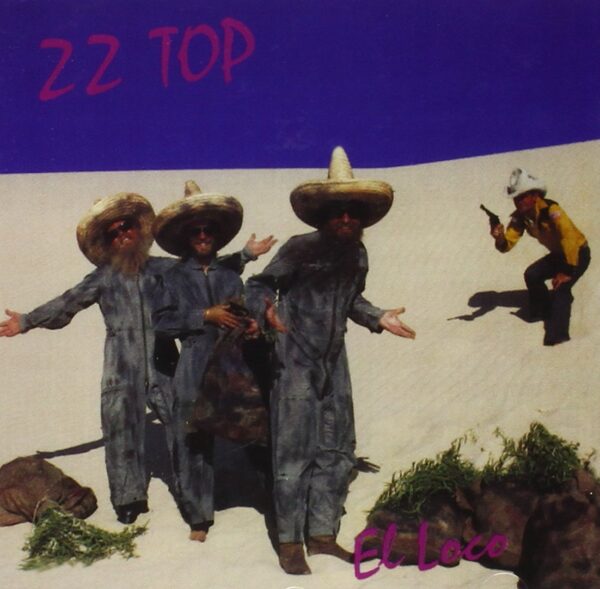
“Tube Snake Boogie,” from ZZ Top’s 1981 album *El Loco*, is a prime example of the band’s playful and energetic rock style. The song’s lyrics are filled with double entendres, adding to its cheeky charm. In an interview, Billy Gibbons explained that the term “tube snake” originally referred to a surfboard, but the phrase took on a more suggestive meaning. He humorously noted that it’s a “first cousin to a tube steak”—a classic ZZ Top wink to their love of wordplay.
Musically, “Tube Snake Boogie” combines bluesy guitar riffs with Frank Beard’s powerful drumming, creating an upbeat track that became a fan favorite, peaking at No. 4 on the Billboard Mainstream Rock chart. Gibbons has said that the song, like much of *El Loco*, reflected their experimental phase, which began introducing more synthesized sounds that would define their later work in the *Eliminator* era.